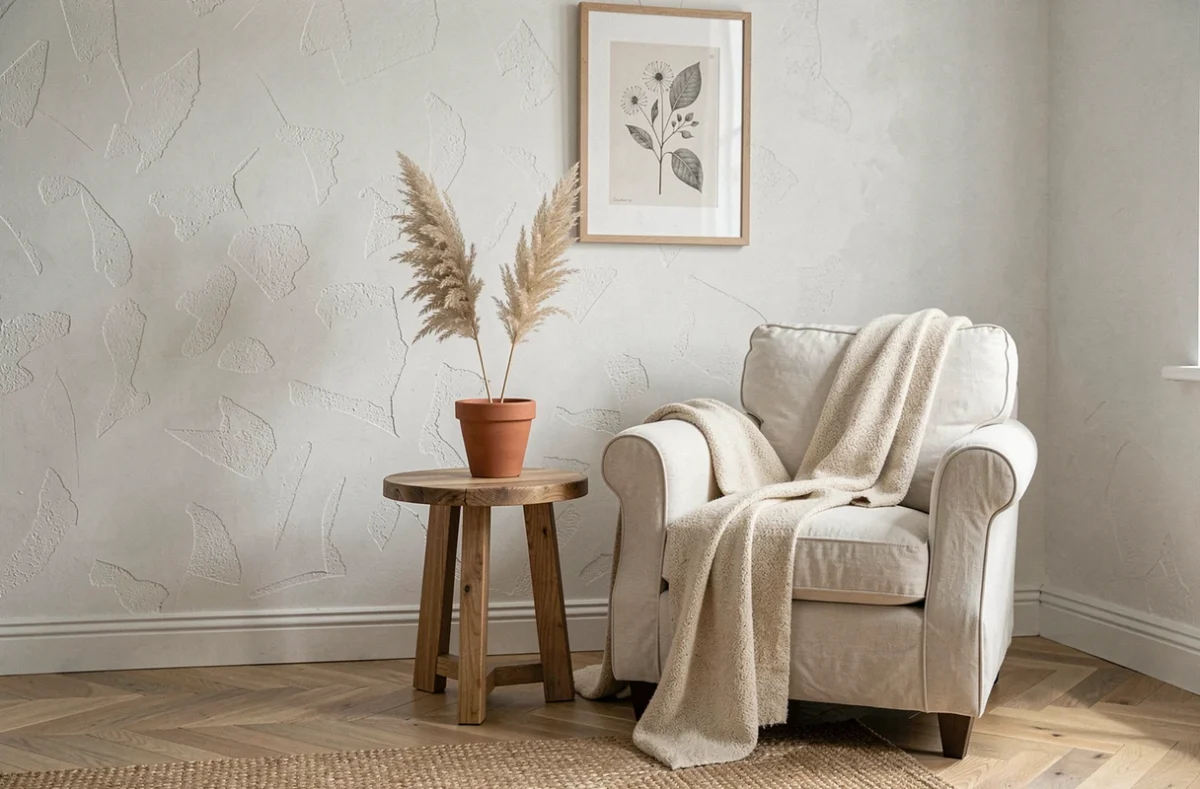
Interior decorating is about more than choosing a style and applying it uniformly. Every room in the home has its own technical constraints (lighting, circulation, acoustics, ventilation) that shape the choice of materials, furniture and finishes. Ignore these factors, and you may end up with spaces that look appealing in photos but are impractical for everyday life.
Indoor air emissions: the decorating factor articles overlook
Before repainting a wall or installing new flooring, it’s worth considering pollutants. Paints, adhesives, varnishes and some furniture panels release volatile organic compounds for weeks after installation.
The French Indoor Air Emissions label, rated from A+ to C, appears on construction and decorating products sold in France. An A+ rated product emits very few pollutants, while a C rated product emits many. When renovating, we always prioritize A+ rated products for wall paints, primers and flooring adhesives.
In practice, this means checking labels before you buy, even for products that seem harmless, such as furniture varnish or decorative plaster. After installation, ventilating the space thoroughly for several days reduces the remaining concentration of pollutants. This simple step helps maintain good air quality throughout the home, in the living room as well as the bedroom.
For more ideas on choosing materials and finishes room by room, Notre Petite Maison’s decorating ideas are a great place to start.
Repairable, disassemblable furniture: choose pieces that last beyond the latest trend
Furniture bought solely for its design often ends up at the dump after just a few years. The 2025–2030 sector guidelines from Ameublement français highlight two criteria to consider from the design stage: repairability and disassemblability.
Disassemblable furniture is easier to transport when you move and can be adapted for use in another room. Repairable furniture (with replaceable screw-on legs, a refinishable tabletop or a removable seat cover) lasts longer without needing to be replaced entirely.
Practical criteria to check before buying
- Legs attached with visible screws or metal inserts, rather than permanent adhesive. Replacing a broken leg then costs just a few euros instead of making the whole piece unusable.
- Removable seat fabric (a zipped cover or accessible staple system) for cleaning or replacement without professional help.
- A removable tabletop or worktop, so it can be sanded, revarnished or replaced independently of the base.
- Assembly instructions and spare parts listed by the manufacturer.
These criteria don’t rule out good design. They simply steer you towards manufacturers who consider a product’s entire life cycle, not just how it looks in a showroom.
Furniture reuse: furnish a room without buying everything new
Reuse goes far beyond Sunday flea markets. Social and solidarity economy organizations offer reused furniture that has been cleaned and sometimes restored, at prices well below those of new items. Ecomaison supported several projects and organizations in this sector in 2025, expanding the range available.
There are real decorating benefits, too. Pairing a vintage 1960s dresser with a contemporary coffee table creates a contrast you won’t get by buying everything new. The room gains character because each piece of furniture has its own story of how it was made and used.
Secondhand furniture and interior decorating: limitations to keep in mind
Not everything is equally suited to reuse. Bedding, heavily worn seating and furniture with weakened frames can raise comfort and safety concerns. Combining secondhand storage and smaller furniture with new purchases for heavily used items (sofas, mattresses, office chairs) is usually the most balanced approach.
Room-by-room design: adapt decorating ideas to the space’s real-world constraints
The living room, kitchen, bathroom and bedroom each call for a different approach to decorating. Applying the same formula to every room in the home can produce a monotonous result that often doesn’t suit the space.
Living rooms and shared spaces: circulation and natural light
The living room serves a wide range of purposes (relaxing, entertaining and occasional work). Arrange furniture to leave enough clear pathways between pieces and avoid a corridor-like feel. A large mirror opposite a natural light source can brighten the room without adding artificial lighting.
Houseplants help set the mood, but the right choice depends on the actual light levels. A north-facing room with little direct sunlight won’t suit the same species as a south-facing living room.
Kitchen: surfaces, task lighting and vertical storage
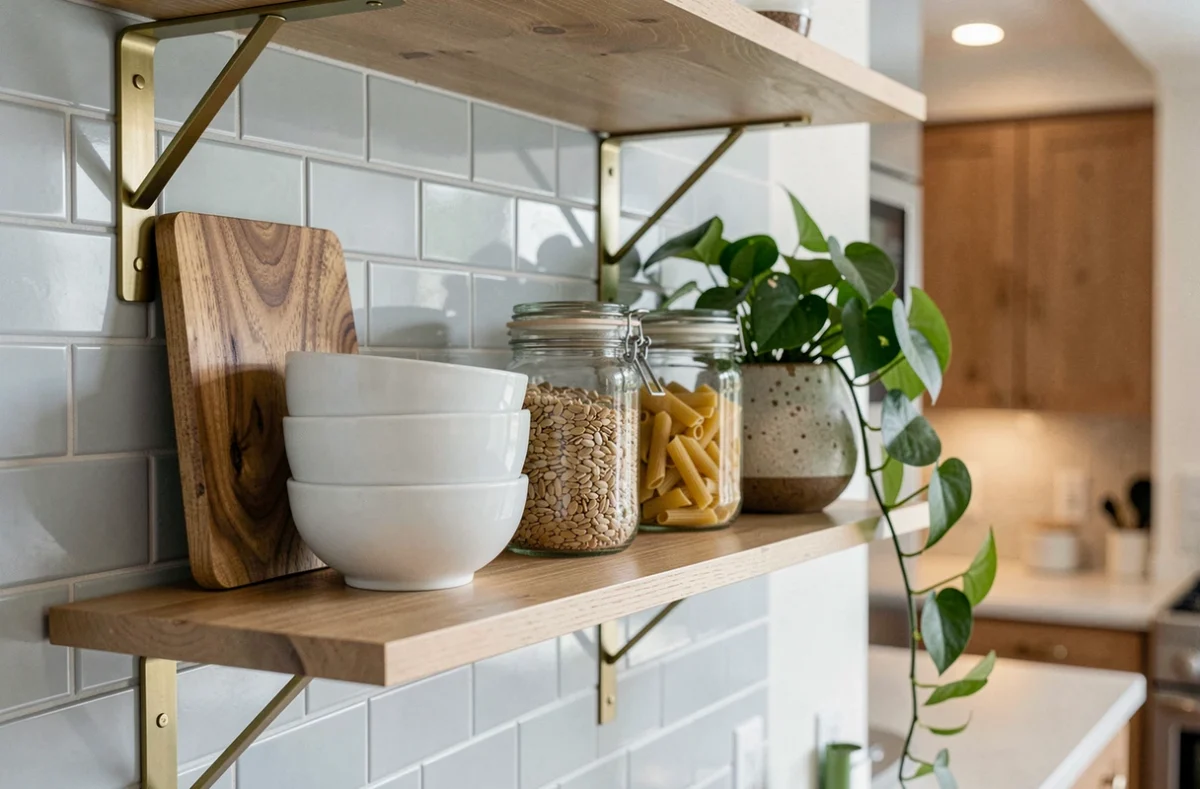
In the kitchen, decorating starts with practicality. Under-cabinet lighting makes the worktop more comfortable to use by eliminating shadows. Vertical storage (magnetic backsplashes, hanging rails and open shelves) frees up worktop space without adding floor-standing cabinets.
Bedroom: acoustics and darkness
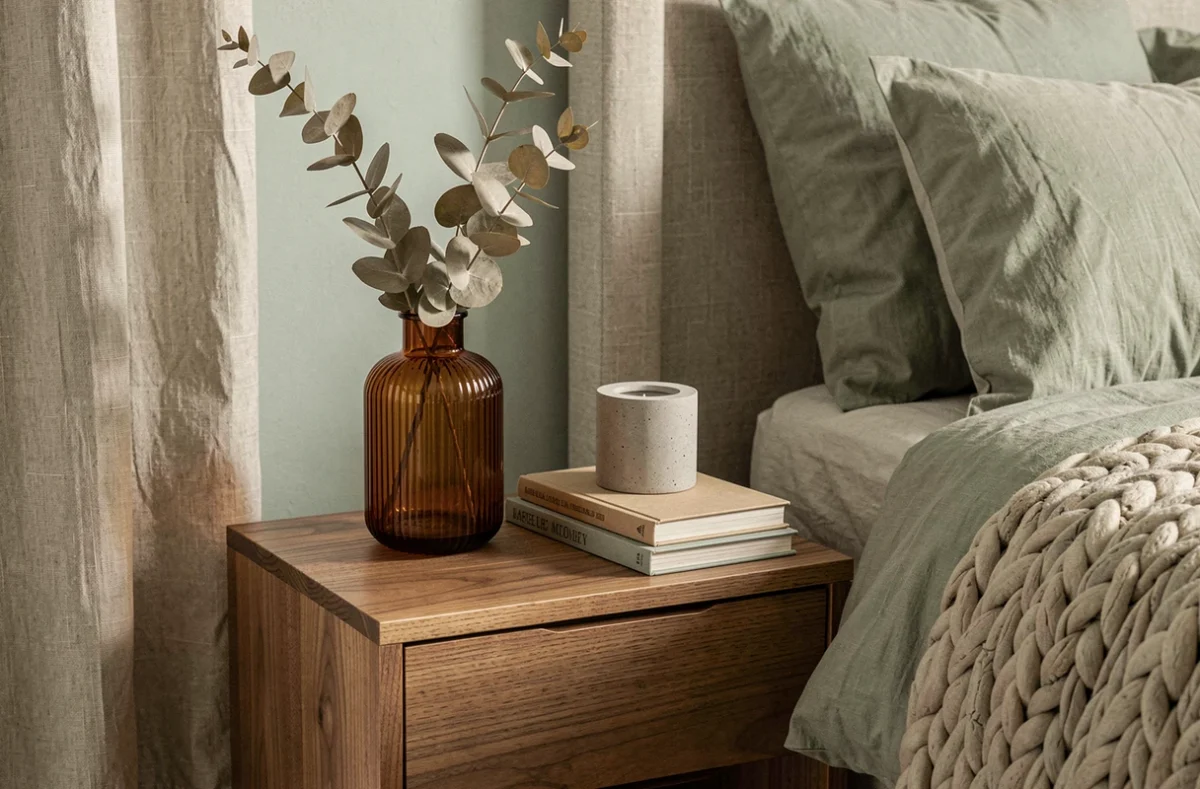
In the bedroom, improving darkness and reducing noise often makes a bigger difference than adding more decorative objects. A lined blackout curtain, a deep-pile rug beside the bed and matte-finish walls absorb sound and light better than a lightweight sheer curtain over bare floorboards.
In the bedroom, bedding is often the most cost-effective decorating choice: it can completely change the look of the room on a limited budget and is easy to switch with the seasons.
Every room in the home deserves an assessment of its constraints before any aesthetic decisions are made. An A+ rated coat of paint, a secondhand piece paired with a high-quality new seat, lighting suited to how the space is actually used: taken one at a time, these practical choices transform an interior more sustainably than a superficial makeover applied without thought.