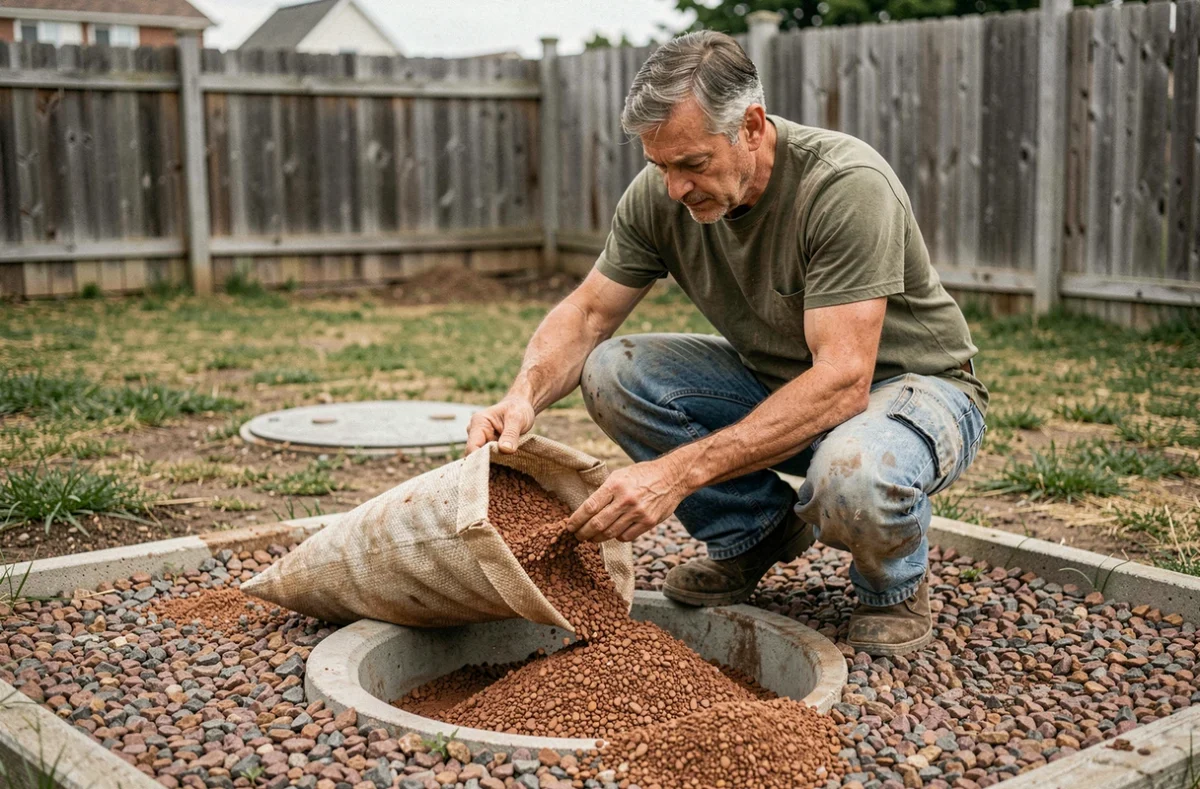
Pumice used in non-collective sanitation is not interchangeable with that sold in the mulching section. The grading, origin, and compatibility with the installed pre-filter determine both the purification performance and compliance during SPANC inspections.
Grading and pre-filter compatibility: the technical point that product sheets do not explain
The bags of pumice for septic tanks available in trade display different gradings depending on the manufacturers: 20/50 mm at some distributors, 25/50 mm for Sebico pre-filters. These discrepancies are not trivial.
An incompatible grading with the pre-filter-deco-filter alters the water passage speed and the retention capacity of suspended solids. Using decorative pumice in 6/12 or 10/25 in a pre-filter designed for 25/50 causes accelerated clogging and reduces the lifespan of the downstream treatment device (drainage, sand filter, infiltration mound).
The rule is simple: we recommend following the manufacturer’s instructions for the pre-filter or the all-water tank, not the cheapest grading on the shelf. SPANC can identify a non-compliance if the filtering medium does not match the specifications of the approved device.
To better understand the price of pumice for septic tanks and its technical limits, one must think beyond just the cost per bag.
Price of pumice for septic tanks: the real cost of a replacement
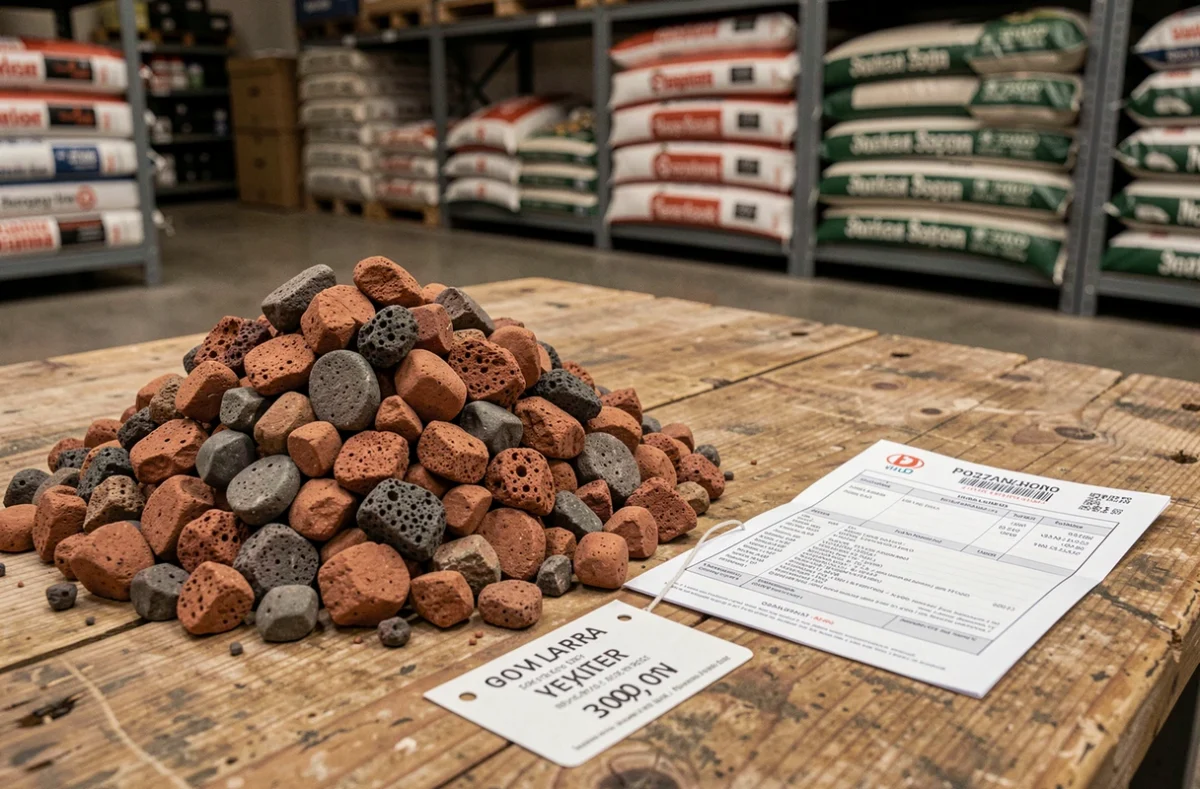
The price of a bag of pumice in an appropriate grading (20/50 or 25/50) varies depending on the point of sale, packaging, and delivery method. 40 kg bags in material trade remain the most common format for a domestic pre-filter.
The cost of the material alone does not reflect the cost of the intervention. Replacing the pumice in a pre-filter involves several operations:
- Accessing the pre-filter-deco-filter, often buried, which may require partial excavation
- Removing the old clogged pumice and cleaning the tank (concrete or polyethylene) before reloading
- Checking the condition of the baffles and the pipes at the inlet and outlet of the pre-filter
- Reloading with the volume and grading prescribed by the manufacturer
If you hire a sanitation professional for all these steps, the labor and access costs often exceed the price of the material itself. Ordering a bag online without anticipating the logistics of intervention amounts to treating the symptom without a diagnosis.
Delivery in bags or big bags: which format for which need
The 25 to 40 kg bag is suitable for reloading a standard pre-filter. The big bag (approximately 1 m³) is more suited for new construction sites or installations with infiltration mounds requiring a larger volume.
Delivering a big bag to a site represents a significant logistical cost, especially in rural areas. Check local agency stocks before ordering online: picking up in-store eliminates transport costs and allows for visual control of the grading.
Technical advantages of pumice as a filtering medium
Pumice is a natural volcanic rock with a cellular structure. This porosity gives it three useful properties in non-collective sanitation.
Its high specific surface area promotes the attachment of purifying bacteria. Unlike conventional gravel, pumice offers cavities where microorganisms thrive and contribute to the biological treatment of wastewater.
Its mechanical strength allows it to support the weight of the water column and backfill without fragmenting. Limestone gravel eventually disintegrates and produces fines that clog the system. Pumice retains its grading for several years without significant degradation.
Finally, its nearly neutral pH does not alter the biological balance of the tank. Some substitute materials (limestone gravels, river pebbles) can change the pH of the effluent and disrupt the upstream anaerobic process.
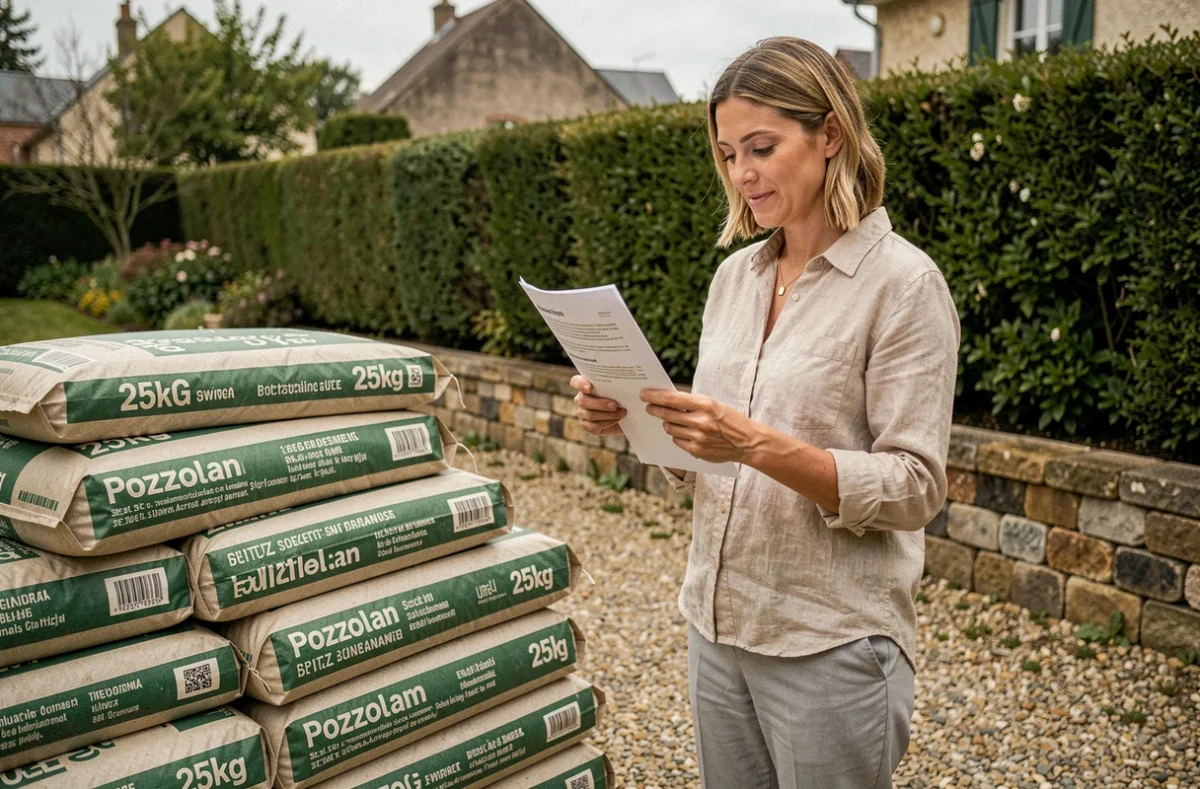
Diagnosis before replacement: do not confuse clogging and malfunction
A persistent odor or backflow from the tank does not automatically mean that the pumice in the pre-filter needs to be replaced. The problem may stem from an unemptied tank, a blocked pipe, or damaged baffles.
Replacing the filtering medium without prior diagnosis is a common mistake. Before buying pumice, have the entire system checked by a professional or request an inspection from SPANC. A non-compliance notice regarding the treatment device (and not just the pre-filter) may lead to a more significant upgrade than a simple reloading.
Pre-filter and compact filter: two distinct interventions
In a compact filter, the filtering material is an integral part of an approved system evaluated as a whole. Replacing the medium of a compact filter with pumice purchased separately falls outside the scope of the approval and exposes one to a non-compliance refusal during inspection.
The pre-filter-deco-filter, on the other hand, is an intermediate equipment for which pumice is a replaceable consumable. The distinction is technical but its regulatory consequences are direct.
Buying pumice for septic tanks at the best price remains relevant as long as the prescribed grading is respected, the origin of the problem is correctly diagnosed, and the distinction between pre-filter reloading and treatment system replacement is not confused. The cheapest bag is only a good deal if it ends up in the right equipment.