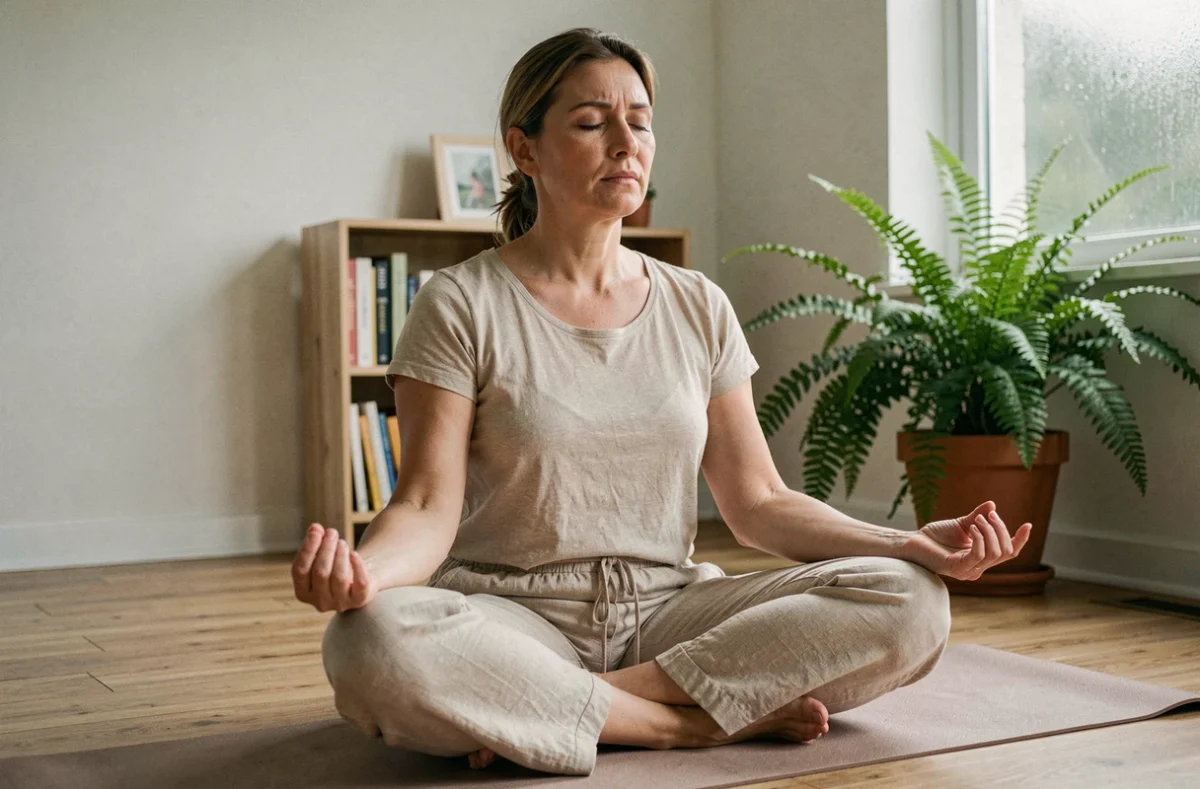
Sophrology is based on exercises of breathing, visualization, and muscle relaxation. Before making an appointment, one question deserves to be asked: what parameters distinguish a beneficial session from a potentially problematic one? The title of sophrologist, the profile of the client, and the type of exercise practiced do not present the same levels of risk. Comparing them allows for a better understanding of the precautions to take.
Sophrology and RNCP certification: what the legal framework really guarantees
The most widespread confusion concerns the status of the practitioner. In France, the title of sophrologist is not regulated by a state diploma. There is neither a professional order nor registration with the RPPS, unlike health professions such as doctor or psychologist.
An RNCP certification certifies that a training organization has validated a skills reference with France Compétences. It does not legally reserve the use of the title and does not turn sophrology into a healthcare act. A certified RNCP sophrologist is not authorized to make a diagnosis, identify a severe anxiety disorder, or assess a suicidal risk.
This regulatory ambiguity has concrete consequences. To delve deeper into the implications of this lack of framework, you can read on Soin Et Compassion an analysis of the gray areas surrounding the practice. The main risk is not the technique itself, but the fact that an inadequately trained practitioner may delay appropriate medical treatment.
| Criterion | Certified RNCP Sophrologist | Sophrologist without certification | Psychologist |
|---|---|---|---|
| Regulated title | No | No | Yes (state diploma) |
| RPPS Registration | No | No | Yes |
| Clinical training in mental health | Variable depending on the school | No guarantee | Yes (minimum 5 years) |
| Ability to diagnose | No | No | Yes |
| Mutual reimbursement | Possible (wellness package) | Rare | Yes (depending on contract) |
Level of scientific evidence: breathing and muscle relaxation under examination
The available data focuses more on techniques used in sophrology than on sophrology as a homogeneous method. The systematic review with meta-analysis published by Toussaint et al. in 2021 studied progressive muscle relaxation, deep breathing, and guided imagery. The results report favorable effects on stress and anxiety.
The nuance is significant. These techniques are not unique to sophrology: yoga, mindfulness meditation, and certain approaches in psychotherapy share them. Attributing the effect to sophrology as a distinct discipline remains difficult to establish based on current studies.
For the client, this means that the perceived benefits (reduction of stress, better sleep, muscle relaxation) are plausible. However, there is no evidence supporting a therapeutic effect on a diagnosed pathology such as clinical depression, post-traumatic stress disorder, or chronic pain requiring medical treatment.
Adverse reactions during sessions: three mechanisms to distinguish
The unpleasant effects reported during or after a session fall under different mechanisms, which do not call for the same responses.
Directed breathing and hyperventilation
Improperly dosed breathing exercises can trigger hyperventilation. The symptoms are well-known: dizziness, tingling in the hands, sensation of chest tightness. The episode is brief and without lasting effects, but it can generate secondary anxiety in an already fragile person.
Emotional release and post-session fatigue
Deep relaxation sometimes promotes the resurfacing of repressed memories or emotions. This phenomenon is not dangerous in itself, but a practitioner without training in psychological support may not know how to contain it. The fatigue felt that same evening is common and generally temporary.
Paradoxical anxiety related to relaxation
Some individuals accustomed to a state of chronic tension experience relaxation as a loss of control. Muscle relaxation then triggers a surge of anxiety. This mechanism, also documented in meditation and yoga, particularly affects profiles with severe anxiety.
- Hyperventilation can be prevented by an adapted breathing rhythm, which the sophrologist must adjust in real-time according to the client’s signals.
- Emotional release requires a framework where the practitioner knows to refer to a psychologist or doctor if the material that emerges exceeds the scope of relaxation.
- Paradoxical anxiety justifies a thorough preliminary interview to identify at-risk profiles before the first session.
Profiles for which sophrology requires particular vigilance
Sophrology is often presented as accessible from the age of six. This statement masks situations where the practice may be inappropriate or counterproductive.
Individuals being treated for a psychotic disorder (schizophrenia, delirious episode) represent the clearest case. Visualization exercises and altered states of consciousness may exacerbate dissociation or confusion between reality and imagination. Every sophrologist should refer these profiles to a psychiatrist.
In individuals suffering from severe depression, sophrology risks creating the illusion of well-being that delays medical care. The same reasoning applies to undiagnosed chronic pain: relaxation that temporarily alleviates pain may mask a pathology requiring clinical examination.
Seniors over 60 often benefit from sophrology for sleep or stress management, provided the practitioner adapts the postures and duration of breathing exercises to any potential cardio-respiratory limitations.
The determining factor remains the competence of the sophrologist to recognize the limits of their practice. A well-conducted relaxation session does not present any direct physical danger. The real risk lies in the absence of referral to a health professional when the situation requires it.