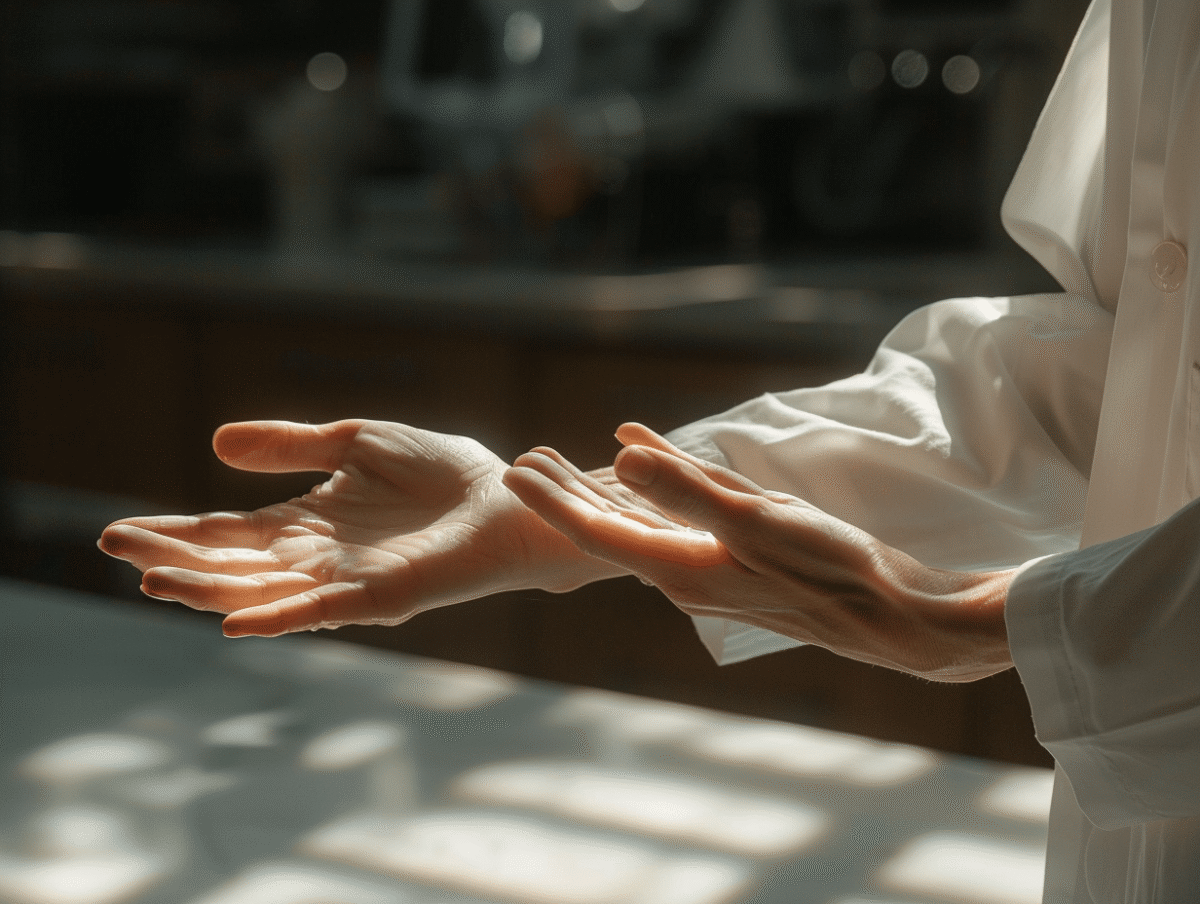
Over the centuries, human bodies have revealed an incredible variety of anomalies, phenomena that often challenge the norms established by medical science. These peculiarities can be sources of fascination as well as scientific questioning. They range from cases of polydactyly, where individuals are born with extra fingers or toes, to rare genetic syndromes such as progeria, which leads to accelerated aging from a very young age. These unique conditions certainly pique curiosity and invite exploration of the incredible diversity of human biology.
Extreme variations in human morphology
In the vast panorama of the most surprising human bodily anomalies, variations in morphology hold a prominent place. The human body, this complex architecture composed of the head, trunk, and limbs, covered by skin and supported by the skeleton, can sometimes present extraordinary configurations. Polytely, characterized by the presence of supernumerary nipples, perfectly illustrates this reality. Although often unknown, this peculiarity is not so rare and can occur regardless of sex or ethnicity.
Extreme differences in size and shape of the genitals are also phenomena that challenge the medical and societal world. These anomalies, which sometimes influence body image and can lead to behavioral disorders, require special medical attention. The consequences go far beyond mere physical deformity; they engage the individual in psychological and social challenges, such as exclusion from certain orders or the prohibition of practices such as marriage.
The diversity of human types that medical and cultural history has classified, from the monster to the eunuch, through various interpretations related to human size, reflects the complexity of the human body schema. These classifications, often based on aesthetic or functional criteria, reveal the concerns of an era and the ethical questions that remain relevant today. Disease and type are thus key concepts for understanding how extreme variations in morphology shape body image and its acceptance in society.
Exceptional physical abilities and their scientific explanations
Some individuals exceed common bodily limits thanks to physical abilities that defy understanding. These phenomena can often be explained by biological peculiarities, such as genetic mutations or specific configurations of the nervous system. Research on the subject highlights the role of the anterior cingulate cortex, a region of the brain that influences perseverance and decision-making in the face of pain or fatigue. Studies using magnetic resonance imaging (MRI) have shown that in some elite athletes, this area is more developed, allowing them to surpass typical reactions to exhaustion.
The prefrontal cortex, responsible for complex planning and emotion regulation, is also a key player in mastering exceptional skills. For example, virtuoso musicians or polyglots often show increased activity in this region, which gives them the ability to organize and execute complex tasks with remarkable ease. Variations in the structure and functioning of the prefrontal cortex thus seem to contribute to extraordinary cognitive and motor performance.
The innervation functions and coordination between muscles, bones, and joints play a fundamental role in expressing physical abilities. The muscle type, for example, can vary from individual to individual, with some possessing a higher proportion of fast-twitch muscle fibers, predisposing them to feats of speed and power. Understanding these mechanisms opens fascinating perspectives on human potentials and inspires applications in the fields of rehabilitation or enhancement of athletic performance.