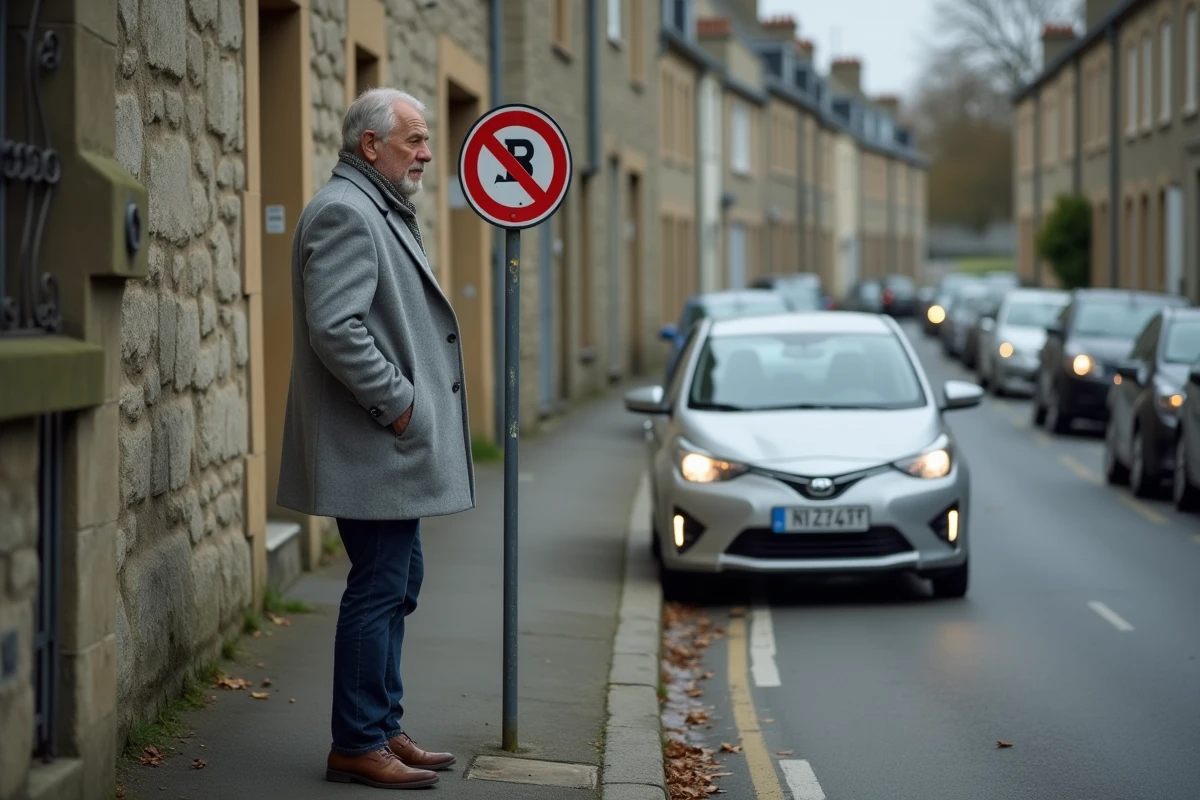
Free parking in Rennes is based on a simple principle: the further a space is from the historic center, the more likely it is to be freely accessible and without a parking meter. The city structures its offer in concentric zones, with a dense paid core and free pockets distributed in the periphery or along certain secondary axes.
Understanding this zoning allows you to identify the true free parking spots, anticipate ongoing regulatory changes, and avoid increased flat-rate fines that affect poorly informed drivers.
Rennes parking zoning: how free parking works
Rennes divides its roadways into two main categories of paid parking. The first covers the hypercenter, with higher pricing and limited duration to encourage vehicle turnover. The second extends over an intermediate ring, where rates are lower and the allowed duration is longer.
Beyond these perimeters, some streets remain free parking without time limitation. These areas are not marked by any specific signs: it is the absence of a parking meter or blue disc that confirms the free parking.
To spot a free parking zone in Rennes, the most reliable reflex is to check the signage on the ground and on the posts before leaving the vehicle. A street without paid markings today may switch to a regulated zone after a roadway redevelopment.
Free parking in the Rennes periphery: the areas to target
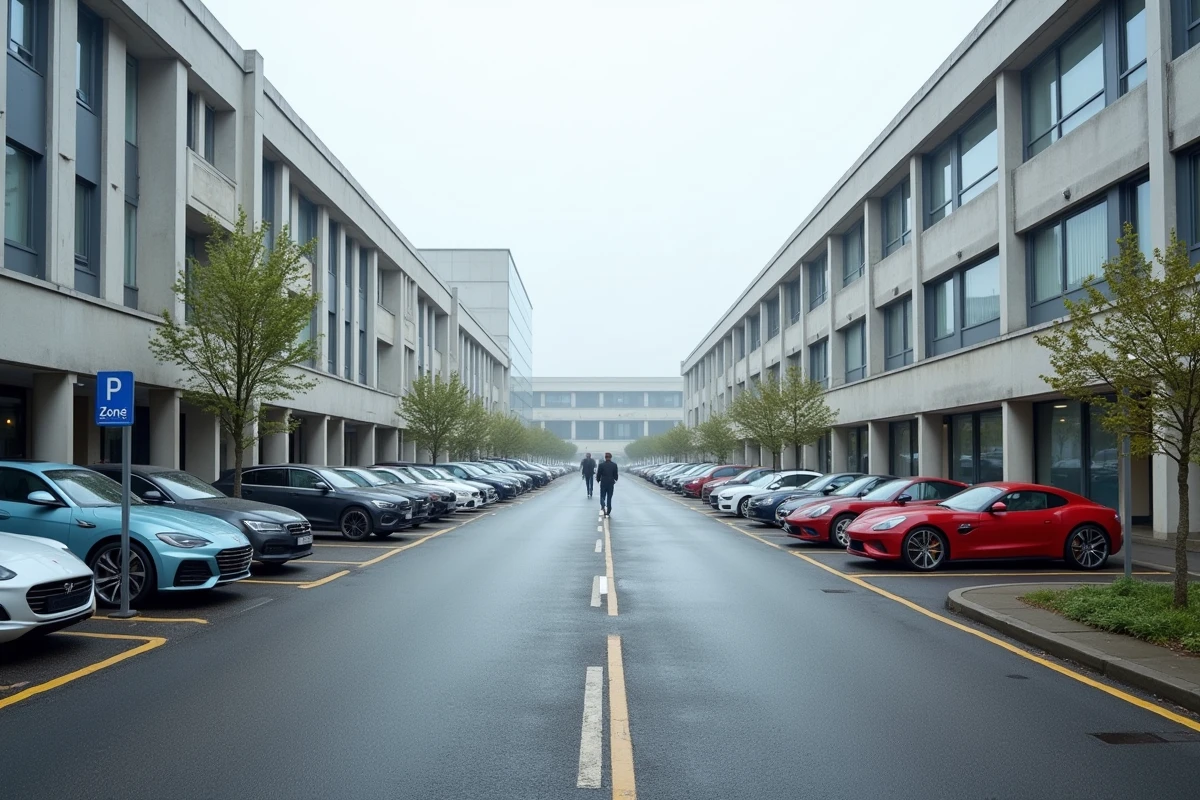
The residential neighborhoods located beyond the ring road or in immediate proximity offer the best chances of finding free spaces. Several secondary axes in the southern and eastern sectors of the city maintain free parking, particularly around residential areas far from commercial hubs.
Avenue Sergent Maginot, for example, has free spaces just a few minutes from the center. Place Saint-Mélaine also offers free parking, limited to two hours.
Neighboring municipalities of the metropolitan area
The demand for free parking is increasingly shifting to the neighboring municipalities of Rennes. This phenomenon intensifies as the metropolitan area expands its paid perimeters. Cities like Cesson-Sévigné, Saint-Jacques-de-la-Lande, or Chantepie maintain free parking zones close to bus lines or metro stations.
Parking in a neighboring municipality and then using the STAR network is becoming an increasingly common strategy. The additional travel time rarely exceeds fifteen minutes, resulting in substantial savings for the day.
Park and ride facilities in Rennes: free parking under conditions
The park and ride facilities of the STAR network represent the most well-known option for parking for free in Rennes. The principle is straightforward: parking is free for public transport users with a valid transport ticket.
- Free parking requires the validation of a metro or bus ticket, not just parking your car on the site
- Available spaces fill up early in the morning on weekdays, generally before 8:30 AM at the park and ride facilities closest to the center
- Some park and ride facilities have charging stations for electric vehicles, but access to these specific spots may be subject to different conditions
This option remains the most reliable for combining free parking and quick access to the city center. The trade-off is the purchase of a transport ticket, the cost of which remains well below several hours of parking meter fees.
Growing saturation of park and ride facilities
French metropolitan areas are observing a gradual increase in the usage of their park and ride facilities. In Lyon, Bordeaux, or Toulouse, this pressure has led to the introduction of reservation systems or paid subscriptions. Rennes has not yet crossed this threshold, but total free parking at park and ride facilities is not guaranteed in the long term.
Anticipating this evolution means not building your entire parking strategy around a single park and ride facility. Identifying two or three alternatives allows for adaptation in case of saturation or pricing changes.
Blue zone and limited-time free parking in Rennes
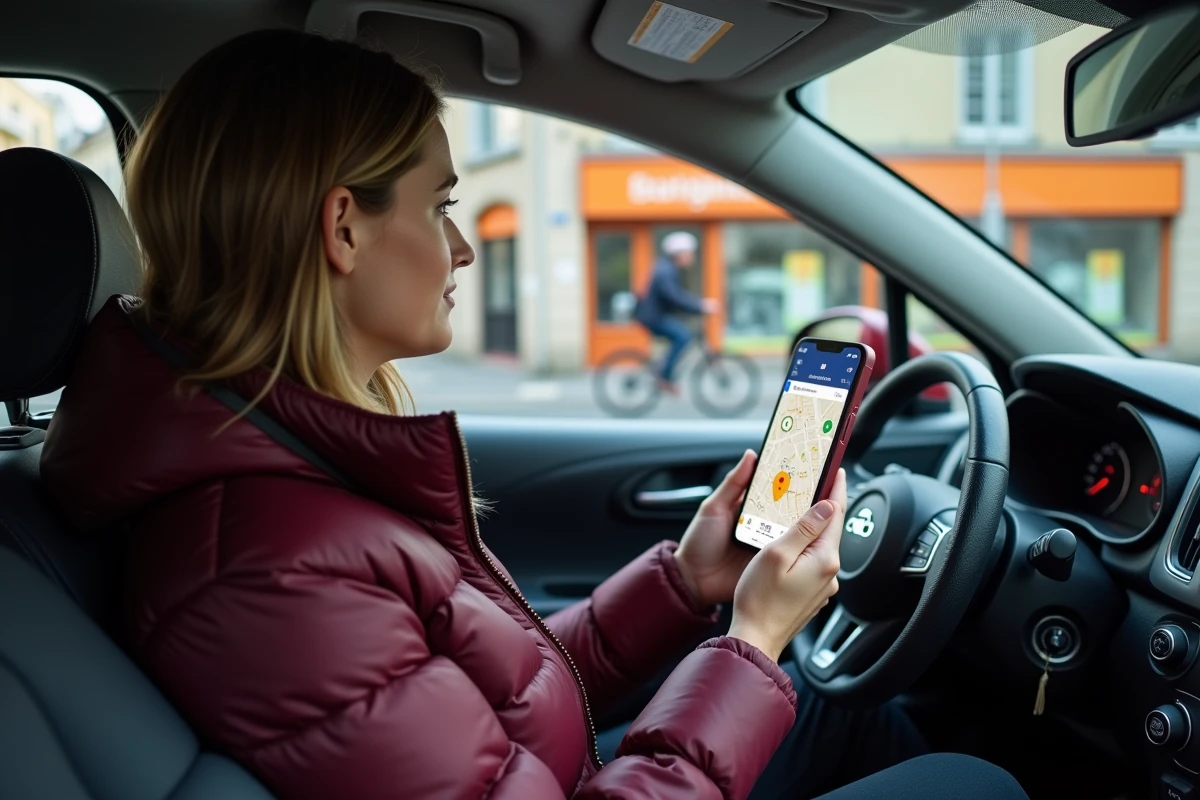
The blue zone represents a particular case of free parking. No payment is required, but the driver must place a parking disc visible behind the windshield, indicating their arrival time. The allowed duration varies depending on the locations.
This system exists on certain sections of the expanded center of Rennes. It is aimed at drivers who need a short stop, typically for an appointment or a quick purchase.
- The blue disc is mandatory and must comply with the European model
- Exceeding the allowed duration incurs a post-parking fine identical to that of paid zones
- Free parking slots in the blue zone are often limited to working hours, with free parking in the evening and on weekends depending on the areas
The blue zone is therefore not free parking in the strict sense. It is a conditional free parking linked to compliance with a maximum duration.
Regulatory evolution: why free zones are decreasing
The national trend is towards an extension of paid parking perimeters in metropolitan areas. Rennes is following this movement. The deployment of Low Emission Zones also changes the situation: it sometimes becomes more relevant to park outside the ZFE perimeter and complete the journey by public transport.
This reconfiguration pushes the demand for free spaces towards the fringes of the metropolitan area. Streets that are currently freely accessible in intermediate neighborhoods could transition to paid zones as the city intensifies its parking control.
For drivers who regularly travel to Rennes, the most sustainable solution combines identifying several free zones in the periphery with a good knowledge of the transport network. Relying on a single free spot exposes you to unpleasant surprises on the day when regulations change or when parking becomes saturated. Diversifying your options remains the best reflex in the face of a free parking offer that is structurally decreasing.