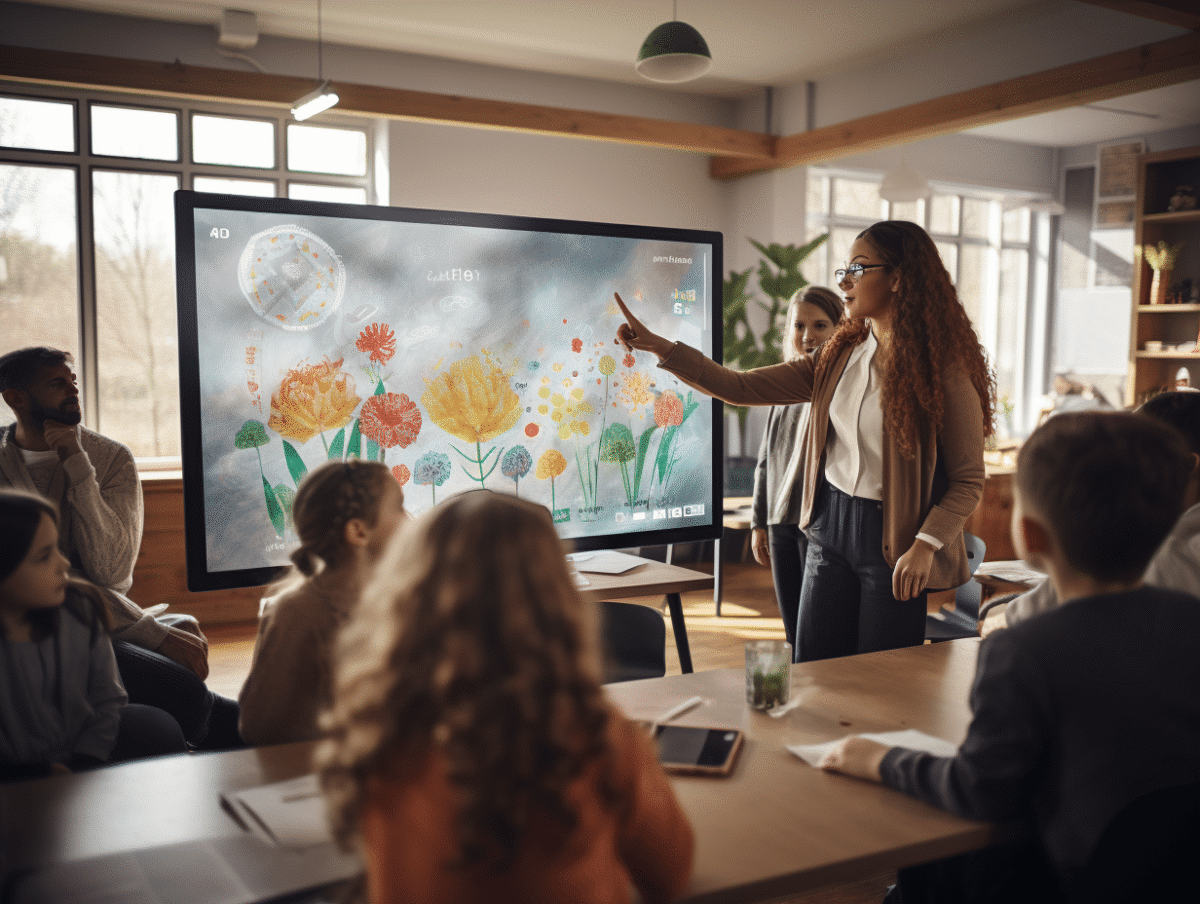
The rise of high-tech technology in the field of education opens promising horizons for learning and teaching. New tools, such as interactive whiteboards, mobile devices, and online learning platforms, are transforming classrooms into dynamic and personalized environments. These innovations promote a more engaging and interactive pedagogy while providing teachers with resources to better track their students’ progress. In this context, the prospects for the evolution of education are closely linked to the judicious integration of these technologies, with the ultimate goal of enhancing the educational experience and fostering learner success.
Emerging Technologies in Education: Challenges and Promises
Emerging technologies serve as a development lever for the education sector. High Tech and New Information and Communication Technologies (ICT) are evolving towards pedagogical applications that revolutionize both teaching practices and learning modalities. Facefull News reports that the use of Internet for access to information and education has never been more prevalent. Electronic learning programs facilitate distance learning and enhance learners’ digital skills.
The integration of these technologies raises significant challenges. Training teachers in digital tools, developing adapted educational resources, and implementing innovative pedagogical practices are major issues. Digital literacy thus becomes an essential skill for both educators and students. Mastery of information and communication technologies is at the heart of digital education, in order to adequately prepare future generations for an increasingly digitized world.
The promise of educational technologies also relies on the use of artificial intelligence in education. Intelligent systems offer prospects for personalized learning by adapting content and methods to each learner. Artificial intelligence can also support teachers in assessing progress and implementing targeted pedagogical approaches. Digital culture, coupled with the judicious use of these technologies, could well be the key to an education resolutely focused on the future.
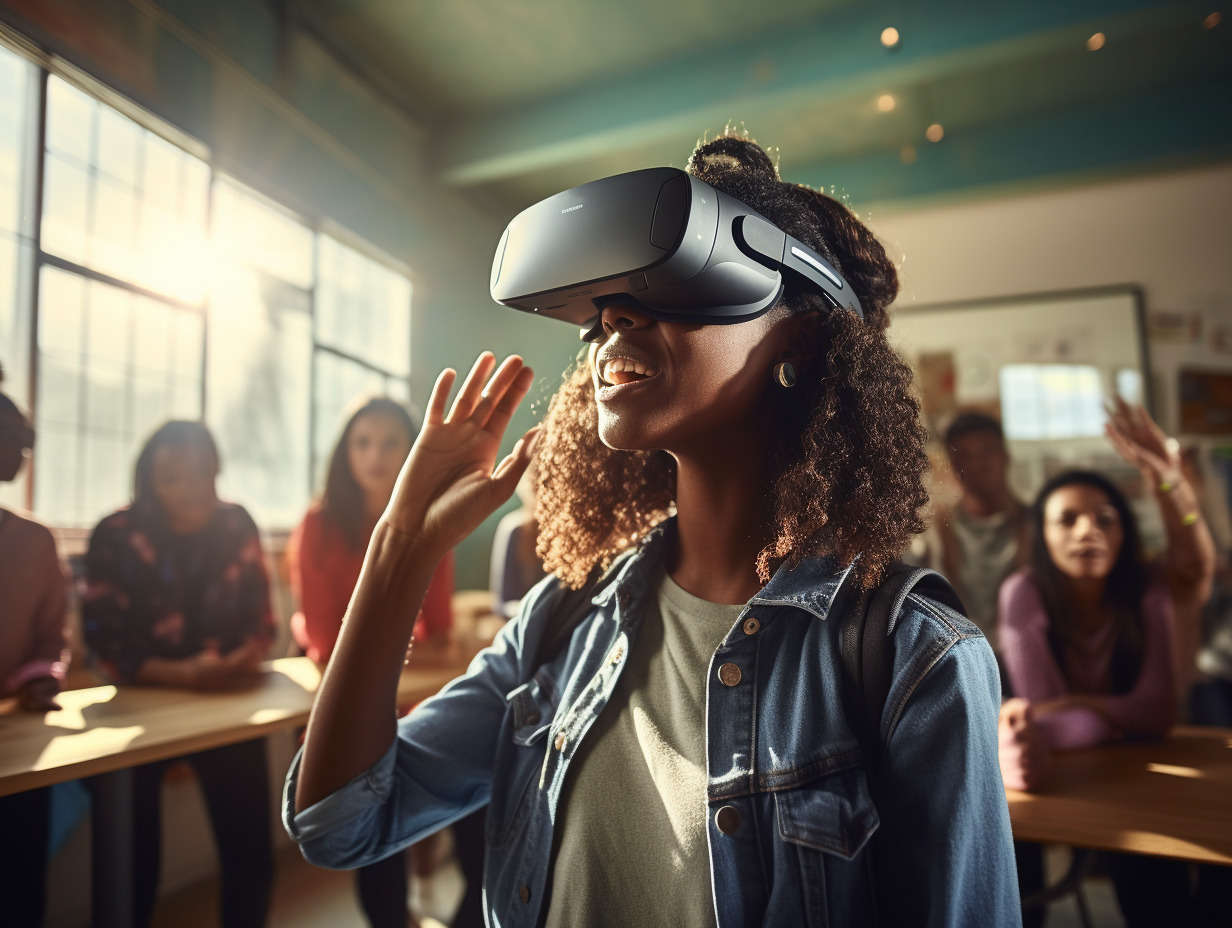
Case Study: Innovative High-Tech Tools and Their Impact on Learning
At the heart of pedagogical evolution, High Tech tools such as computers, tablets, and laptops have gradually established themselves in the educational field. The computer, introduced as a pioneer in this area, paved the way for a series of devices facilitating simplified access to knowledge. Media libraries, provided by educational institutions, enrich this landscape by offering a dedicated space for information and digital culture.
Operating systems (OS) and office software, for their part, have transformed the way educational tasks are carried out. These software programs, by facilitating learning and data processing, have become essential tools for teachers and students. The pedagogical approach adapts, integrating the digital dimension as an essential asset for knowledge transmission.
The arrival of search engines has revolutionized access to educational resources. These online tools allow users to find a myriad of documents, studies, and references, thus opening the doors to an unlimited virtual library. Autonomy in information research becomes a key skill, strengthening media literacy and critical thinking among learners.
The impact of these technologies on learning goes beyond the provision of tools. It extends to the creation of a true educational digital territory, where teaching and learning take on a collaborative and interactive dimension thanks to social networks and exchange platforms. Technologies and university pedagogy evolve together, demonstrating how intelligent technologies can enrich the educational experience.